
When you submit a trading card for grading, most of the excitement is focused on the grade itself. But what happens after your card is graded? Whether you’re an experienced collector or a parent supporting a young enthusiast, knowing what to do once your card returns is crucial. This guide explains every step of the post-grading process, without exaggeration, so you know exactly what to expect.
Your Graded Card Returns in a Protective Slab
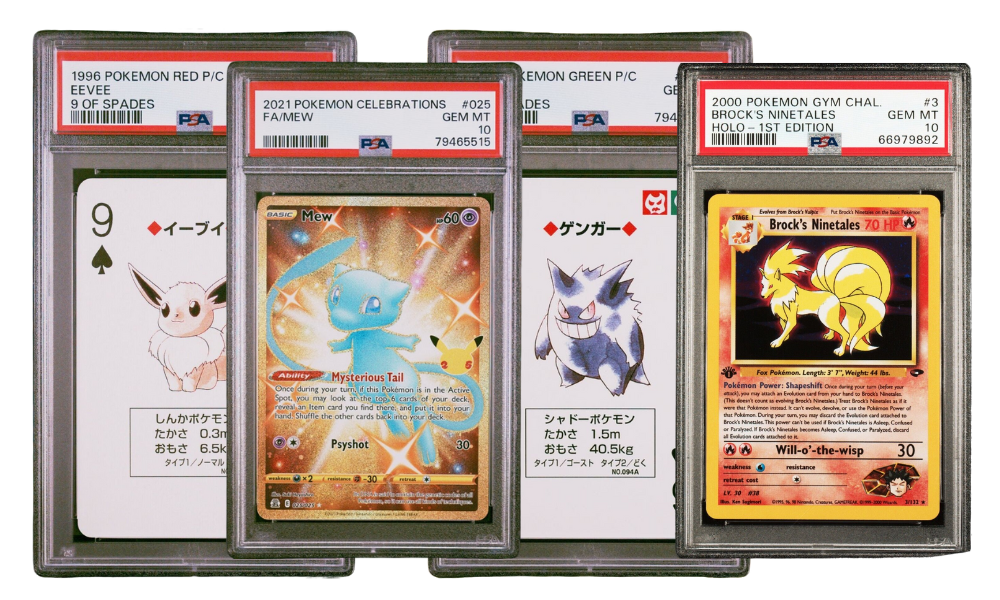
Once grading is complete, your card will be sent back to you in a sealed, tamper-proof plastic case, commonly called a slab. This slab includes a printed label with the grade, set name, year, and key information about the card. Black Label Grading describes this process as combining “authentication, encapsulation and a quality score”. That means the card has been checked for legitimacy, assessed for condition, and sealed to protect it from damage. So, the first thing that happens after your card is graded is that you receive the card back, certified, secure, and well-presented.
Check the Slab, Label and Grade Details Carefully
When your card returns, inspect it closely. Confirm that the card details printed on the label are accurate and that the slab has no cracks or manufacturing defects. Although rare, mislabelling or damage during transit can happen, so it’s always best to double-check immediately. Grading can sometimes deliver surprising results, especially if surface marks or centring issues were missed during self-assessment, so take a moment to review the grade. This inspection stage shouldn’t be overlooked, just in case there are any issues with your returned cards.
Decide Whether to Keep, Store, Display or Sell
With your card safely graded and encapsulated, your next move depends on your collecting goals. Some people want to display their best-graded cards on a shelf or in a secure case. Others store them away in a dry, cool environment to protect the card, long term. And some may decide to sell, especially if the grade has boosted the card’s market value. Grading can increase buyer confidence because it provides proof of authenticity and condition. However, it’s important to be realistic, while some cards jump in value after grading, not all do. That’s why understanding what happens after your card is graded includes knowing when to hold and when to let go.
Understand How Grading Affects Card Value
One of the most common questions from newer collectors is whether grading increases a card’s value. The answer depends on several factors. A high grade from a reputable company like PSA, Beckett Grading Services or CGC, submitted via trusted partners like Black Label Grading, can raise the card’s desirability. But value also depends on market demand, rarity, and popularity of the card. Black Label Grading always highlights that the main benefits of grading your cards include protection, peace of mind, and authenticity, but not guaranteed profit. So, part of what happens after your card is graded is managing your expectations. If you plan to sell, check recent sold listings on platforms like eBay to gauge realistic prices.
Store Your Graded Cards Correctly
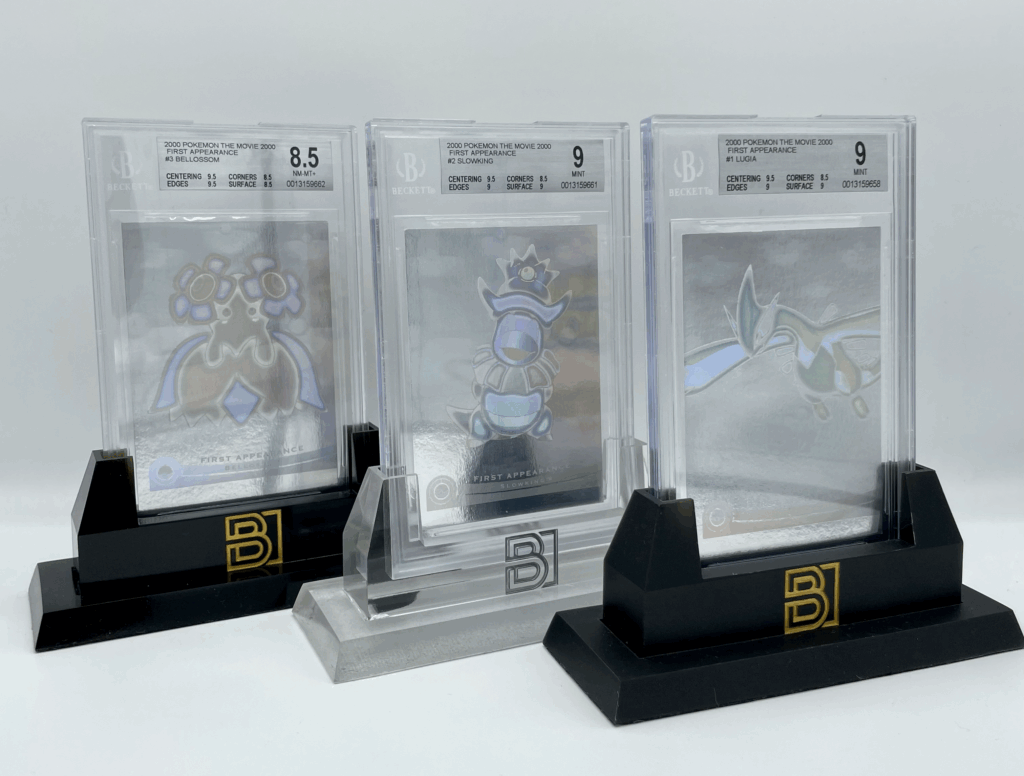
Even in a slab, cards can still suffer from poor storage. Make sure your graded cards are kept out of direct sunlight, away from humidity, and handled as little as possible. Hold the slab by the edges, and if possible, store it upright in a protective case. For collectors dealing with high-value cards, insuring them may also be a sensible step, especially if you’re displaying them at events or sending them for resale. What happens after your card is graded includes preserving that grade. Damage to the slab doesn’t change the internal grade, but it can affect how others see the condition of it.
Track the Card’s Details for Future Reference
Once your card is graded, record its certification number, grade, and any notes about the condition or provenance. Keeping a digital log or even a simple spreadsheet is helpful for insurance purposes, future sales, or cross-checking if you decide to resubmit it for a new grade. If you used a submission service like Black Label Grading, we give you clear communication and updates during the process, which makes it easier to maintain accurate records for everything. It just means you can stay organised, especially if you have sent quite a few cards for grading.
Should You Ever Consider Regrading or Cross-Grading?
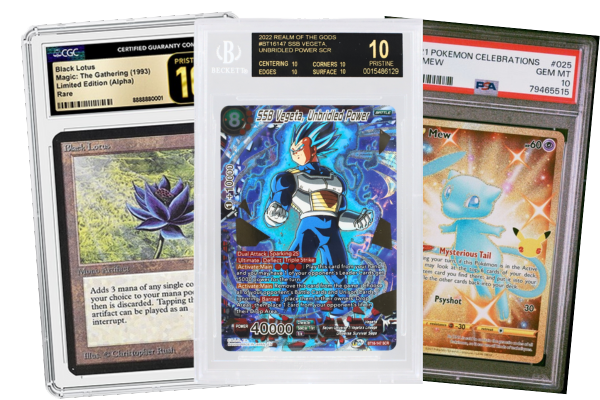
In some situations, collectors decide to resubmit a card for grading, either to try for a better grade or to switch from one grading company to another (known as cross-grading). This can be risky, as it usually involves breaking open the original slab. It’s only recommended if you’re confident the card could achieve a higher grade, or if the new grading company would increase its value or desirability. Black Label Grading offers services for multiple grading companies, including PSA, Beckett, and CGC, so you can explore your options professionally if you’re considering a resubmission.
What Happens After Your Card Is Graded?
So, what happens after your card is graded in summary? You receive it back in a sealed, certified slab, inspect the details for accuracy, decide how to treat it (whether to sell, store, or display), and take steps to maintain its condition. You may track it for future use or even consider regrading. Every decision after grading depends on your goals as a collector, and there’s no single “right” answer. What matters is that you’re informed, realistic, and supported by a trusted partner.
If you want to submit cards for grading through trusted companies like PSA, BGS or CGC, and have full support with packaging, paperwork and shipping, get started with Black Label Grading today.
FAQ
Does grading always increase value?
No. While grading can make cards more appealing to buyers, value also depends on the card’s popularity, rarity, and market conditions.
Can I open the slab if I disagree with the grade?
Yes, but it removes the official certification. Only do this if you’re planning to resubmit, and understand the risks.
How should I store my graded cards?
Keep them in a cool, dry place, away from direct sunlight. Handle the slab gently and avoid stacking heavy items on top.
Is it worth regrading a card?
Sometimes. If the card appears undergraded or would perform better with another grading company, it may be worth trying, but it’s not always guaranteed to help.
How does Black Label Grading help?
We offer UK-based submission services to PSA, BGS and CGC, handling all paperwork, tracking and safe return so you can grade with confidence.